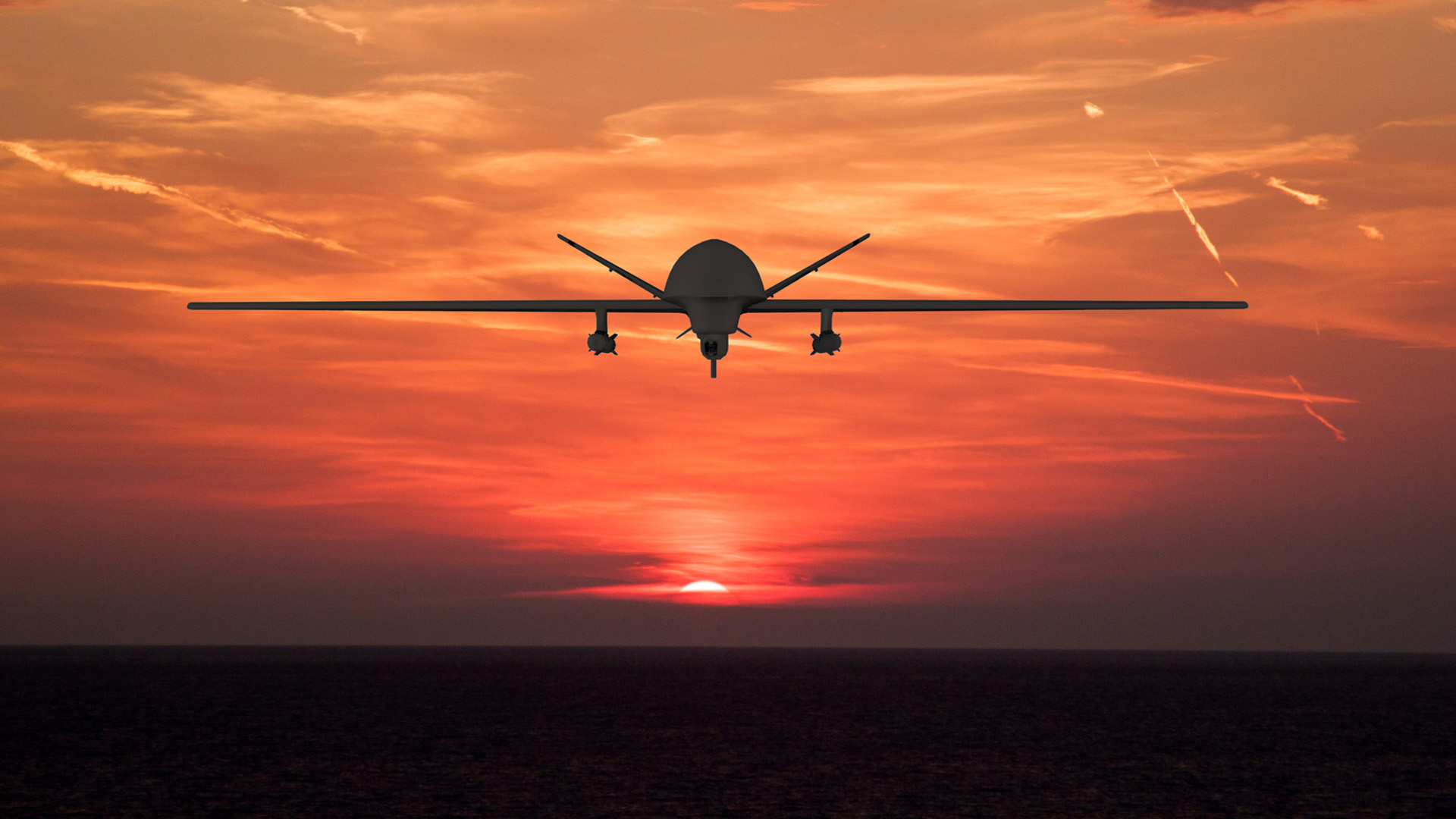
South Australian researchers are developing the world’s first on‑board cybersecurity system to protect drones from increasingly sophisticated cyber threats – a breakthrough that underscores the state’s strengths in advanced cybersecurity research.
Led by the Adelaide University researchers at the Industrial AI Research Centre, a study – published in the international journal Computers and Industrial Engineering – introduces a new security architecture designed to make unmanned aerial systems more resilient to hacking, signal disruption and malicious software.
Senior author Professor Javaan Chahl said the research responds to an escalating risk as drones become embedded in defence, emergency response, environmental monitoring and commercial operations.
“Drones collect large amounts of data, process it onboard, and communicate continuously with operators or cloud-based systems. While this makes drones powerful and versatile, it also makes them vulnerable,” Prof Chahl said.
The system uses Software‑Defined Wide Area Networking to allow drones to switch seamlessly between multiple communication links if one is compromised. It also embeds a next‑generation firewall directly on the aircraft and incorporates malware‑sandboxing technology typically found in enterprise networks.
PhD candidate and first author Tom Scully said the consequences of a drone cyber-attack can be severe and extend beyond data theft.
“A cyber‑attack can interfere with flight controls, disrupt communications, expose sensitive data, and even cause a physical accident,” he said.
The team has already demonstrated the technology on a drone platform using real‑world onboard computing and cloud‑based control systems, with further trials planned.